


Transform Your Meditation Practice
Join thousands of meditators who've upgraded to premium advanced features with the ultimate meditation timer.
Begin meditation after:
 Move the slider to set the count down
 Move the slider to set the duration
Taking you to your completion page
Ring every:
You meditated for 10 minutes



Get started straight away
Join thousands of meditators who've upgraded to premium advanced features with the ultimate meditation timer.
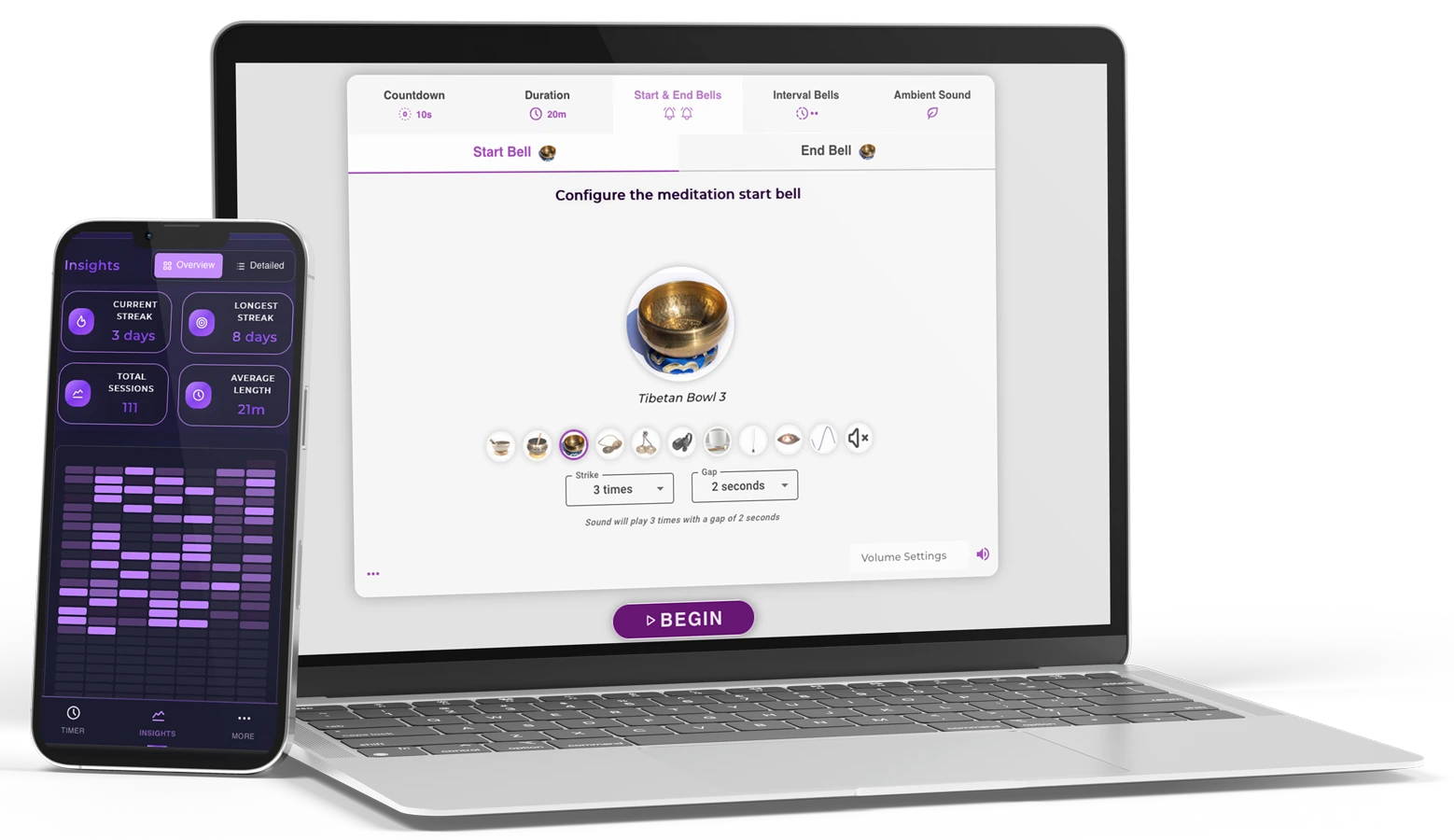
Meditation Timer Premium
Personalize your meditation space with stunning themes and colors
Track your meditation journey with insightful progress charts
Build lasting habits and never break your meditation chain
Meditate as long as you need without any restrictions
Set up to 10 intervals for perfect guided meditation sessions
Authentic Tibetan bowls, nature and ambient sounds

Everything you need
Basic features
Get the Meditation Timer mobile app for Android (iOS coming soon).
All premium features available on mobile.
Free download • Premium features included
Reflections, behind-the-scenes stories, and practical wisdom from our meditation blog.
: Develop reporting tools and moderation policies specifically designed to handle transphobia, homophobia, and deadnaming .
Using reputable search engines with "SafeSearch" or similar filters enabled can help manage the types of results that appear. For more specific results, using precise terminology related to the desired genre or artistic style is often more effective than general terms. 2. Digital Security Measures
: Culture varies by region; for instance, South Asia has a long-standing tradition of the
: Transgender is a gender identity (who you are), whereas lesbian, gay, and bisexual are sexual orientations (who you are attracted to). Transgender people can have any sexual orientation. shemale cartoon video link
At the heart of this diverse ecosystem lies the transgender community. While often grouped under the same umbrella as LGB (Lesbian, Gay, and Bisexual) identities, the "T" represents something fundamentally distinct: gender identity, rather than sexual orientation. Understanding the relationship between the transgender community and mainstream LGBTQ culture is not just an exercise in semantics; it is essential to understanding the history of queer liberation, the nuances of intersectionality, and the future of the fight for equality.
Perhaps the most visible contribution of the transgender community to general LGBTQ culture is the practice of stating one’s pronouns (she/her, he/him, they/them, ze/zir). What began as a safety mechanism for trans people in queer spaces has now become a mainstream courtesy. It challenges the assumption that you can "tell" someone’s gender by looking at them—a radical shift that benefits everyone, not just trans individuals.
The Living Intersection: How the Transgender Community Shapes and Relies on LGBTQ+ Culture At the heart of this diverse ecosystem lies
The modern landscape of LGBTQ+ activism, language, and celebration did not develop in a vacuum. It was forged through decades of resistance, community building, and creative expression. At the absolute center of this evolution sits the transgender community. While the "T" in LGBTQ+ represents a distinct identity related to gender rather than sexual orientation, the histories, struggles, and triumphs of trans individuals are completely inseparable from broader queer culture. Understanding this connection reveals how the trans community acts as both a foundation and a modern catalyst for the entire LGBTQ+ movement. The Historical Blueprint: Riots and Resilience
The drag community—often confused with transgender identity but deeply allied—has become a political bulwark. Drag story hours and performances are frequently targeted by extremists, leading to a unified stand where trans activists and drag performers march arm-in-arm, blurring the lines between performance and identity.
Beyond the Rainbow: The Transgender Community as the Vanguard of LGBTQ+ Evolution Challenges & Systemic Issues
Within , these disparities have led to a reckoning. Pride parades, once criticized for being corporate and sanitized, now see direct action protests demanding specific protections for trans people. The phrase "No justice, no pride" echoes through the streets, reminding the L, G, and B that the fight for marriage equality is not the endgame until the T can walk down the street without fear.
[ Ballroom Scene ] ──> Influenced ──> [ Mainstream LGBTQ+ Culture ] ──> [ Pop Culture ] (Harlem, 1970s) (Slang, Fashion, Dance) (Media, Music) The Ballroom Scene
Three years before the famous events in New York, transgender women and drag queens in San Francisco’s Tenderloin district stood up against systemic police harassment. The riot at Gene Compton’s Cafeteria marked one of the first recorded instances of collective, physical resistance to the oppression of queer people in United States history. It directly led to the creation of a network of trans-led social, psychological, and medical support services. The Stonewall Inn (1969)
—the joy of being recognized as one's true gender—are central to modern LGBTQ+ discourse, balancing the more clinical focus on "Gender Dysphoria". UCSF LGBTQ Resource Center 3. Challenges & Systemic Issues

Why I created Meditation Timer Online
Continue Reading
Exploring the concept of 'I love you' in our lives. A reflection on the power of love.
Continue Reading
Exploring the concept of 'nothing is missing' in our lives. A reflection on Lao Tzu's wisdom.
Continue Reading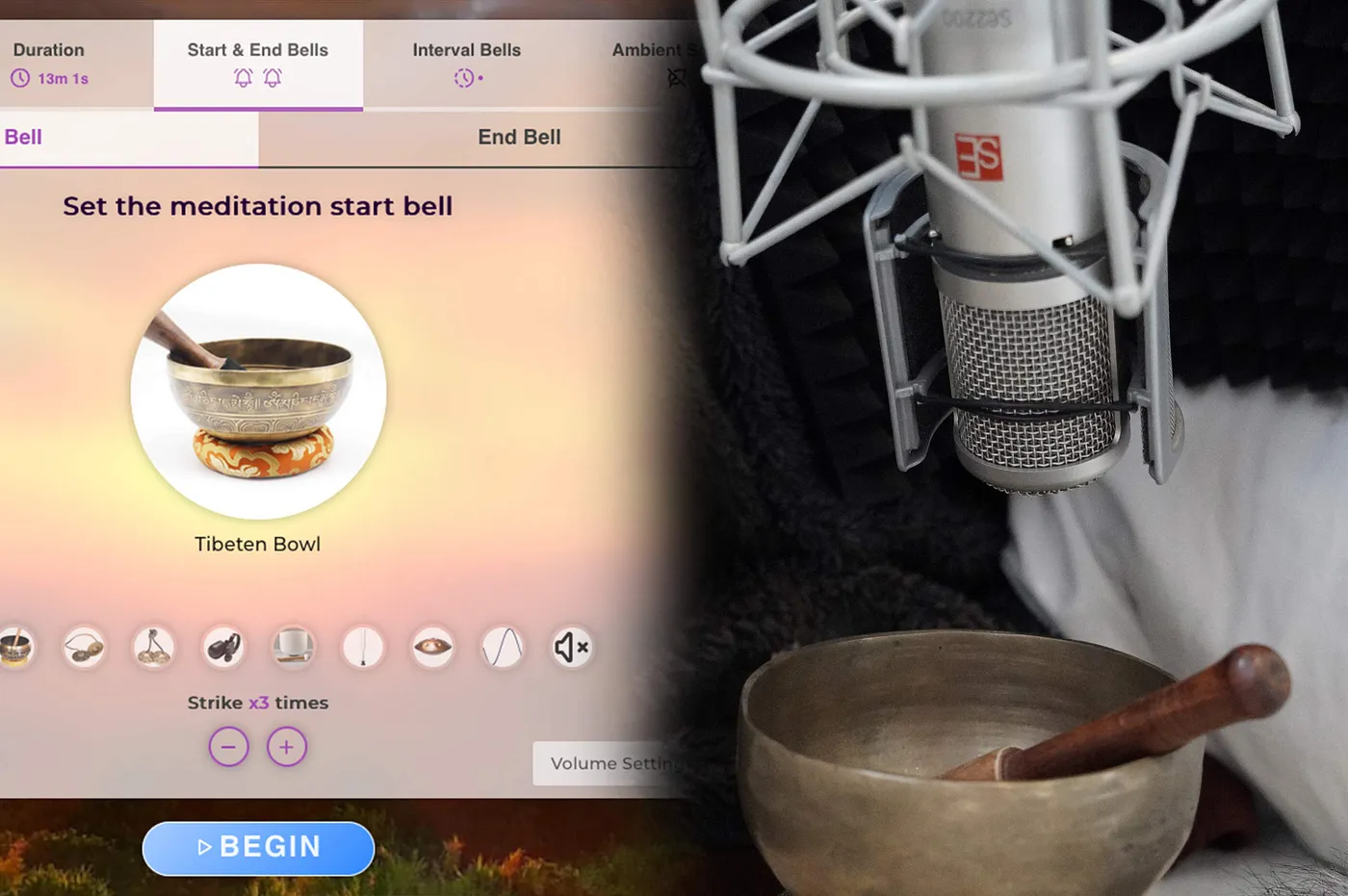
How we record the sounds for the meditation timer
Continue Reading
A reflection on Viktor Frankl's wisdom and the importance of mindfulness in our daily lives.
Continue ReadingWant to explore more meditation insights and tips?
View All ArticlesDiscover the science and benefits behind different meditation lengths. Learn which duration is right for your goals and experience level.
When you only have 60 seconds, this quick meditation can instantly reduce stress and reset your mind. Perfect for beginners and busy schedules.
Learn About 1 Min PracticeStep up from 1-minute sessions with this 2-minute meditation. Long enough for real benefits, short enough for any schedule.
Learn About 2 Min PracticePerfect for busy schedules - 5 minutes is all you need to reduce stress, improve focus, and build a daily meditation habit.
Learn About 5 Min PracticeLonger meditation practice for stress relief and improved focus. Ideal for those comfortable with shorter sessions.
Learn About 10 Min PracticeIntermediate meditation practice that develops sustained attention and deeper states of relaxation. Good for regular practitioners.
Learn About 15 Min PracticeExtended meditation practice that allows for deeper concentration and sustained mindfulness. Ideal for intermediate to advanced practitioners.
Learn About 20 Min PracticeAdvanced meditation practice for experienced practitioners. Develop sustained concentration and work with challenging emotional states.
Learn About 25 Min PracticeExtended meditation practice for experienced practitioners. Develop deep concentration and access advanced meditative states.
Learn About 30 Min PracticeNew to meditation? Start by learning about 1 or 2-minute practices and understand how to gradually build your practice.
: Develop reporting tools and moderation policies specifically designed to handle transphobia, homophobia, and deadnaming .
Using reputable search engines with "SafeSearch" or similar filters enabled can help manage the types of results that appear. For more specific results, using precise terminology related to the desired genre or artistic style is often more effective than general terms. 2. Digital Security Measures
: Culture varies by region; for instance, South Asia has a long-standing tradition of the
: Transgender is a gender identity (who you are), whereas lesbian, gay, and bisexual are sexual orientations (who you are attracted to). Transgender people can have any sexual orientation.
At the heart of this diverse ecosystem lies the transgender community. While often grouped under the same umbrella as LGB (Lesbian, Gay, and Bisexual) identities, the "T" represents something fundamentally distinct: gender identity, rather than sexual orientation. Understanding the relationship between the transgender community and mainstream LGBTQ culture is not just an exercise in semantics; it is essential to understanding the history of queer liberation, the nuances of intersectionality, and the future of the fight for equality.
Perhaps the most visible contribution of the transgender community to general LGBTQ culture is the practice of stating one’s pronouns (she/her, he/him, they/them, ze/zir). What began as a safety mechanism for trans people in queer spaces has now become a mainstream courtesy. It challenges the assumption that you can "tell" someone’s gender by looking at them—a radical shift that benefits everyone, not just trans individuals.
The Living Intersection: How the Transgender Community Shapes and Relies on LGBTQ+ Culture
The modern landscape of LGBTQ+ activism, language, and celebration did not develop in a vacuum. It was forged through decades of resistance, community building, and creative expression. At the absolute center of this evolution sits the transgender community. While the "T" in LGBTQ+ represents a distinct identity related to gender rather than sexual orientation, the histories, struggles, and triumphs of trans individuals are completely inseparable from broader queer culture. Understanding this connection reveals how the trans community acts as both a foundation and a modern catalyst for the entire LGBTQ+ movement. The Historical Blueprint: Riots and Resilience
The drag community—often confused with transgender identity but deeply allied—has become a political bulwark. Drag story hours and performances are frequently targeted by extremists, leading to a unified stand where trans activists and drag performers march arm-in-arm, blurring the lines between performance and identity.
Beyond the Rainbow: The Transgender Community as the Vanguard of LGBTQ+ Evolution
Within , these disparities have led to a reckoning. Pride parades, once criticized for being corporate and sanitized, now see direct action protests demanding specific protections for trans people. The phrase "No justice, no pride" echoes through the streets, reminding the L, G, and B that the fight for marriage equality is not the endgame until the T can walk down the street without fear.
[ Ballroom Scene ] ──> Influenced ──> [ Mainstream LGBTQ+ Culture ] ──> [ Pop Culture ] (Harlem, 1970s) (Slang, Fashion, Dance) (Media, Music) The Ballroom Scene
Three years before the famous events in New York, transgender women and drag queens in San Francisco’s Tenderloin district stood up against systemic police harassment. The riot at Gene Compton’s Cafeteria marked one of the first recorded instances of collective, physical resistance to the oppression of queer people in United States history. It directly led to the creation of a network of trans-led social, psychological, and medical support services. The Stonewall Inn (1969)
—the joy of being recognized as one's true gender—are central to modern LGBTQ+ discourse, balancing the more clinical focus on "Gender Dysphoria". UCSF LGBTQ Resource Center 3. Challenges & Systemic Issues