I86bi-linux-l3-adventerprisek9-15.4.1t.bin Repack -

An . Cisco restricts IOU images for internal use and authorized partners; running the binary requires a valid license file containing a host-specific registration key matching your VM's hostname. Step-by-Step Integration (EVE-NG Example)

Or from router to copy from SCP server:

IOU images require an iourc license file to run. Without a valid key matched to the hostname of your virtualization server, the image will fail to boot.

The "story" of this specific file typically involves four key stages: identification, acquisition, licensing, and troubleshooting. 🛠️ Image Specifications i86bi-linux-l3-adventerprisek9-15.4.1t.bin

What (like OSPF or MPLS) you are planning to build

To understand the capabilities of this specific binary, we can decode its standardized Cisco naming convention:

An IOL image won't start without a proper license file ( iourc ). Without a valid key matched to the hostname

Released around 2013–2014, IOS 15.4(1)T introduced several now-common features:

The file name represents a highly specific, legacy Cisco IOU (IOS on Unix / IOS on Linux) Layer 3 network image used to simulate Cisco routers. Originally developed for internal Cisco engineering use, this lightweight, 32-bit binary has spent over a decade as a staple for students and engineers building complex network topologies in virtualization environments like GNS3 and EVE-NG. Deconstructing the Image Filename

Save and schedule reload

Some versions of this image exhibit routing bugs (e.g., traffic blackholing). A common community workaround is to disable Cisco Express Forwarding by entering the command Licensing: Requires an

: IOU images require a license file named iourc (or iourc.txt ) containing a specific host ID and key to function.

Have you successfully built a DMVPN lab using this image? Share your topology ideas in the comments below. Released around 2013–2014, IOS 15

copy running-config flash:/startup-config
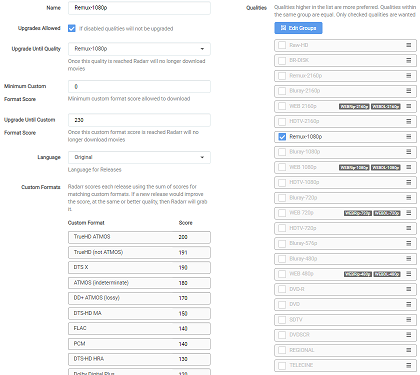
Notifications and fully customizable quality profiles.

i86bi-linux-l3-adventerprisek9-15.4.1t.bin i86bi-linux-l3-adventerprisek9-15.4.1t.bin
i86bi-linux-l3-adventerprisek9-15.4.1t.bin i86bi-linux-l3-adventerprisek9-15.4.1t.bin i86bi-linux-l3-adventerprisek9-15.4.1t.bin

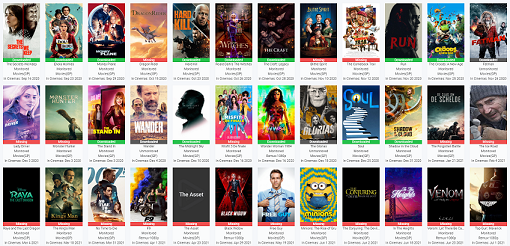
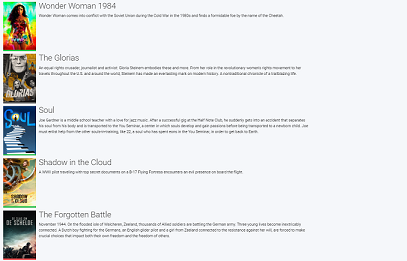
Multiple Movie views.

i86bi-linux-l3-adventerprisek9-15.4.1t.bin

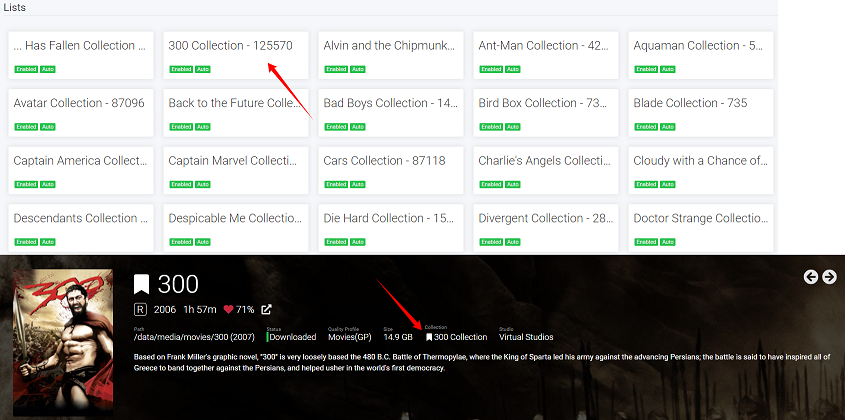
Follow your favorite collections, actors, directors

i86bi-linux-l3-adventerprisek9-15.4.1t.bin i86bi-linux-l3-adventerprisek9-15.4.1t.bin

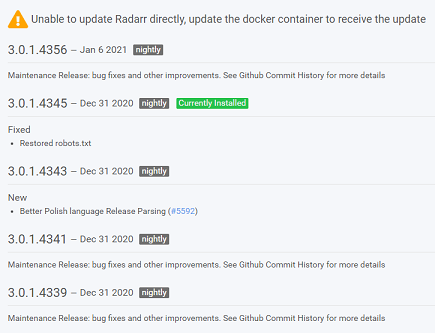
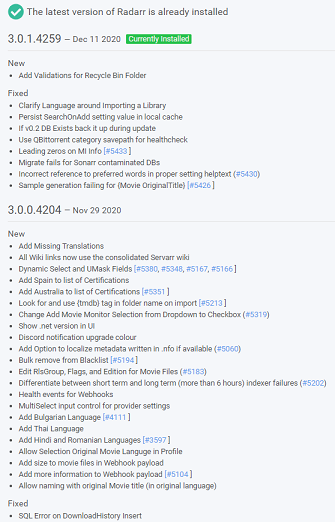
Frequent updates. See what's new without leaving the comfort of the app.

Features

i86bi-linux-l3-adventerprisek9-15.4.1t.bin

Calendar

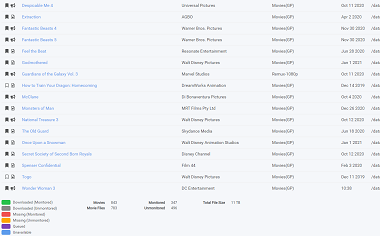
See all your upcoming movies in one convenient location.

i86bi-linux-l3-adventerprisek9-15.4.1t.bin

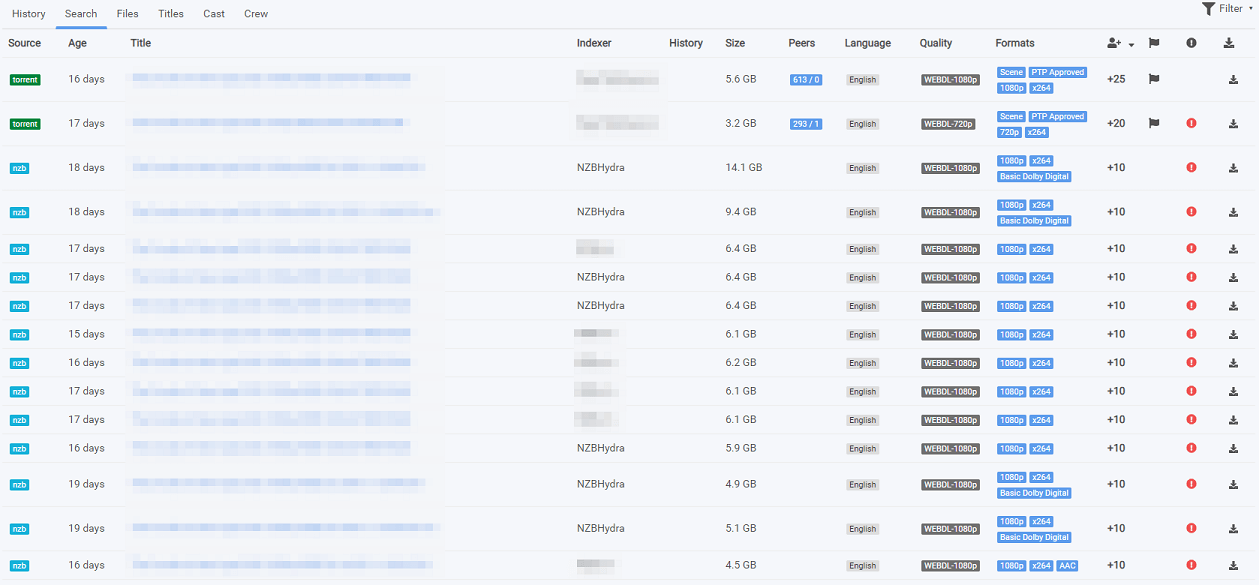
Manual Search

Find all the releases, choose the one you want and send it right to your download client.

i86bi-linux-l3-adventerprisek9-15.4.1t.bin

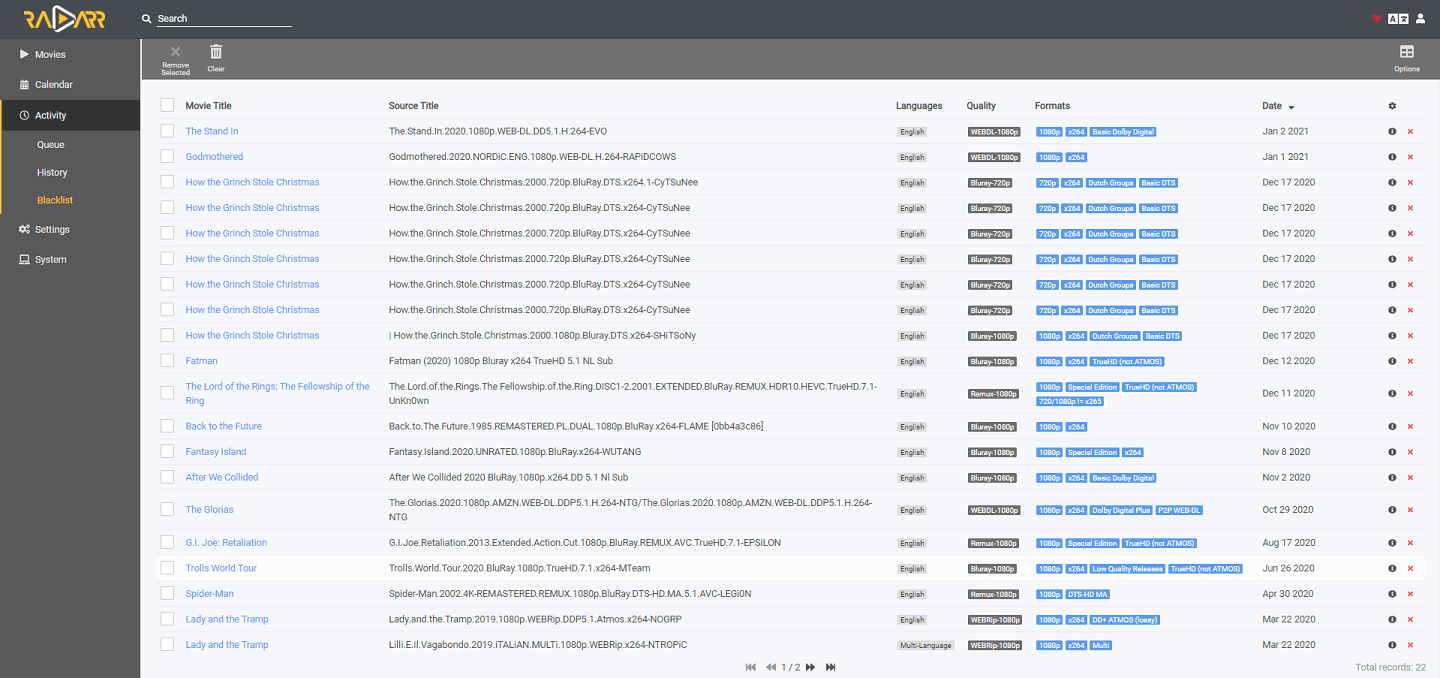
Automatic Failed Download Handling

Radarr makes failed downloads a thing of the past. Password protected releases, missing repair blocks or virtually any other reason? no worries. Radarr will automatically blacklist the release and tries another one until it finds one that works.

i86bi-linux-l3-adventerprisek9-15.4.1t.bin

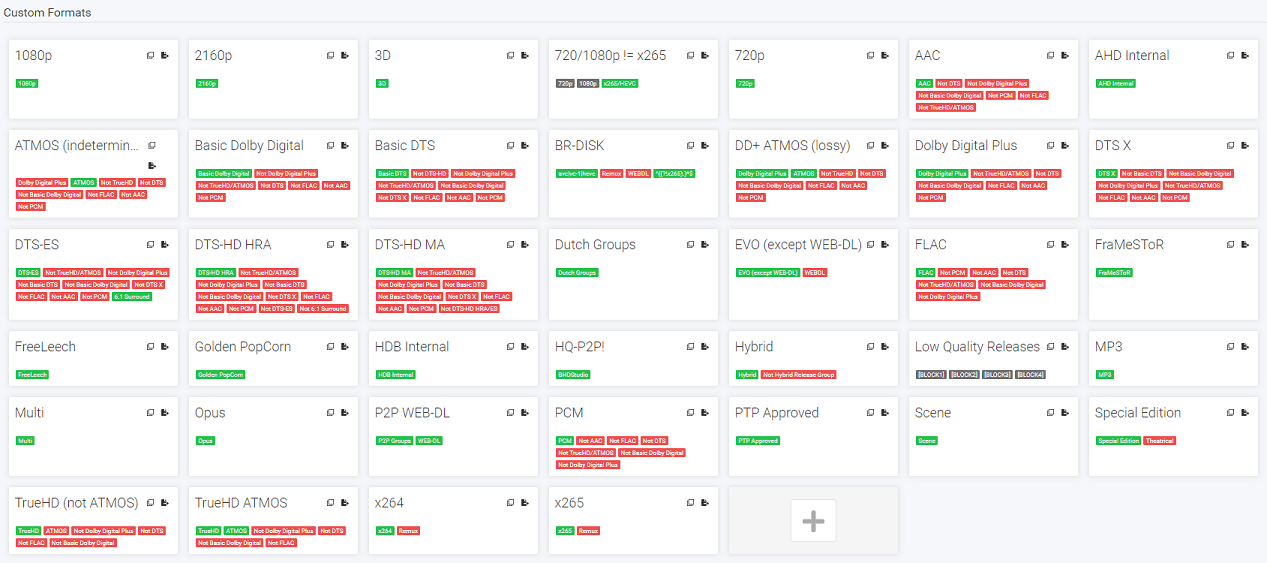
Custom Formats

Ensure you get the right release every time! Custom Formats allows fine control over release prioritization and selection. As simple as a single preferred word or as complex as you want with multiple criteria and regex.

An . Cisco restricts IOU images for internal use and authorized partners; running the binary requires a valid license file containing a host-specific registration key matching your VM's hostname. Step-by-Step Integration (EVE-NG Example)

Or from router to copy from SCP server:

IOU images require an iourc license file to run. Without a valid key matched to the hostname of your virtualization server, the image will fail to boot.

The "story" of this specific file typically involves four key stages: identification, acquisition, licensing, and troubleshooting. 🛠️ Image Specifications

What (like OSPF or MPLS) you are planning to build

To understand the capabilities of this specific binary, we can decode its standardized Cisco naming convention:

An IOL image won't start without a proper license file ( iourc ).

Released around 2013–2014, IOS 15.4(1)T introduced several now-common features:

The file name represents a highly specific, legacy Cisco IOU (IOS on Unix / IOS on Linux) Layer 3 network image used to simulate Cisco routers. Originally developed for internal Cisco engineering use, this lightweight, 32-bit binary has spent over a decade as a staple for students and engineers building complex network topologies in virtualization environments like GNS3 and EVE-NG. Deconstructing the Image Filename

Save and schedule reload

Some versions of this image exhibit routing bugs (e.g., traffic blackholing). A common community workaround is to disable Cisco Express Forwarding by entering the command Licensing: Requires an

: IOU images require a license file named iourc (or iourc.txt ) containing a specific host ID and key to function.

Have you successfully built a DMVPN lab using this image? Share your topology ideas in the comments below.

copy running-config flash:/startup-config
Support