Mobtime Cell Phone Manager 2007 V631 Exclusive ((free)) Now

The "Exclusive" moniker wasn’t just marketing. This version included driver packs for over 450 different phone models from 12 manufacturers, including:

Users could import an MP3 or WAV file from their computer, cut their favorite 30-second chorus, adjust the bitrate to save space, and upload it directly to their phone's ringtone folder.

The "Exclusive" tag in was not merely marketing; it indicated a polished version that patched many bugs found in earlier 2007 builds. It provided better support for newer 2007 handsets and offered faster, more stable synchronization, crucial for managing large contact lists or archiving media. It was considered a staple tool for "syncing data from an old device to a new one" during that era. The Legacy of MobTime in 2026

May require "Compatibility Mode" to run on Windows 10 or 11. mobtime cell phone manager 2007 v631 exclusive

The Digital Bridge: MobTime Cell Phone Manager 2007 and the Art of Early Connectivity

MobTime represents a unique era of computing—a time of physical data cables, strict storage limits measured in megabytes, and the thrill of successfully converting a favorite song into an MP3 ringtone. For tech historians and those who lived through the pre-smartphone era, MobTime remains a hallmark of early mobile software utility, capturing a time when we had to work a little bit harder to keep our digital worlds connected.

Its interface was intuitively modeled after familiar email clients like Outlook Express, featuring logical folders for messages, contacts, and files, which made it accessible even to novice computer users. The "Exclusive" moniker wasn’t just marketing

What made version 6.31 so special? By late 2007, the mobile landscape was fracturing. Standardization was poor. The v631 release focused on bridging the gap between legacy cable connections (USB, serial, and even IRDA) and the emerging EDGE/GPRS modems.

: A simple interface for transferring images and videos between the phone and computer.

MobTime v6.3.1 represented the peak of third-party mobile management software before the rise of smartphones (iOS and Android) shifted data management to the cloud. For users in 2007, it was an "exclusive" solution for managing multi-brand device ecosystems from a single interface, particularly for tasks like bulk SMS management and SIM card data migration. MobTime Cell Phone Manager for Windows It provided better support for newer 2007 handsets

Essential for safeguarding contact lists before a factory reset.

Users could add, edit, or delete contacts using a PC keyboard.
The "Exclusive" moniker wasn’t just marketing. This version included driver packs for over 450 different phone models from 12 manufacturers, including:

Users could import an MP3 or WAV file from their computer, cut their favorite 30-second chorus, adjust the bitrate to save space, and upload it directly to their phone's ringtone folder.

The "Exclusive" tag in was not merely marketing; it indicated a polished version that patched many bugs found in earlier 2007 builds. It provided better support for newer 2007 handsets and offered faster, more stable synchronization, crucial for managing large contact lists or archiving media. It was considered a staple tool for "syncing data from an old device to a new one" during that era. The Legacy of MobTime in 2026

May require "Compatibility Mode" to run on Windows 10 or 11.

The Digital Bridge: MobTime Cell Phone Manager 2007 and the Art of Early Connectivity

MobTime represents a unique era of computing—a time of physical data cables, strict storage limits measured in megabytes, and the thrill of successfully converting a favorite song into an MP3 ringtone. For tech historians and those who lived through the pre-smartphone era, MobTime remains a hallmark of early mobile software utility, capturing a time when we had to work a little bit harder to keep our digital worlds connected.

Its interface was intuitively modeled after familiar email clients like Outlook Express, featuring logical folders for messages, contacts, and files, which made it accessible even to novice computer users.

What made version 6.31 so special? By late 2007, the mobile landscape was fracturing. Standardization was poor. The v631 release focused on bridging the gap between legacy cable connections (USB, serial, and even IRDA) and the emerging EDGE/GPRS modems.

: A simple interface for transferring images and videos between the phone and computer.

MobTime v6.3.1 represented the peak of third-party mobile management software before the rise of smartphones (iOS and Android) shifted data management to the cloud. For users in 2007, it was an "exclusive" solution for managing multi-brand device ecosystems from a single interface, particularly for tasks like bulk SMS management and SIM card data migration. MobTime Cell Phone Manager for Windows

Essential for safeguarding contact lists before a factory reset.

Users could add, edit, or delete contacts using a PC keyboard.

SEJA RÁPIDO! PROMOÇÃO ACABA HOJE, !


mobtime cell phone manager 2007 v631 exclusive

ATENÇÃO!

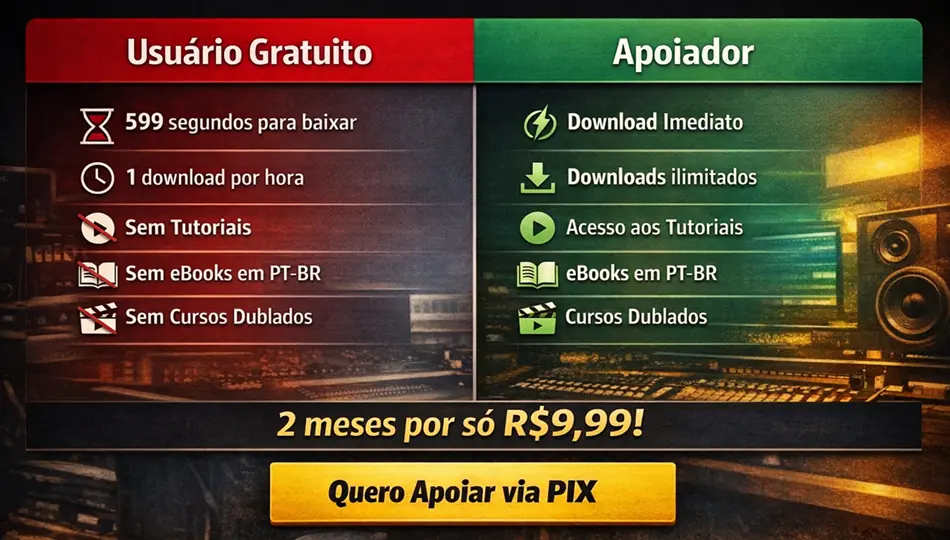
Ao apoiar, insira seu e-mail ou nome de usuário no campo ‘Mensagem’ para ativar sua conta rapidamente.

No campo ‘Valor’, digite o valor do plano escolhido.

Você precisa criar uma conta

Primeiro, você precisa criar sua conta antes de efetuar o pagamento.

Já possui uma conta? Faça o login.

IMPORTANTE: você deve colocar o seu e-mail lá no campo "Mensagem" do tipa.ai para receber os Drum Kits.

Ao clicar em Comprar, você será redirecionado ao site do TIPA.AI. Quando estiver na página da plataforma, insira corretamente seu nome e, no campo Mensagem, digite o E-mail que deseja receber os Drum Kits.

Depois, basta digitar R$34,99 no campo Valor e clicar no botão Tipar. Após isso, o TIPA.AI irá gerar o PIX Copia e Cola. Basta clicar em Copiar código para efetuar o pagamento no aplicativo do seu banco. Caso esteja pelo computador, o TIPA.AI irá gerar um QR Code. Basta entrar na Área PIX do aplicativo de seu banco e pagar com QR Code.

Os Drum Kits serão enviados em no máximo 24h.

Ouça os timbres